
First Aid and Emergency Gear Every Trekker Should Carry
Every hike starts with hope, with the promise of clear trails, clean air, and peaceful times in nature. But anyone who has spent enough time outside knows one thing for sure: the mountains don't c...
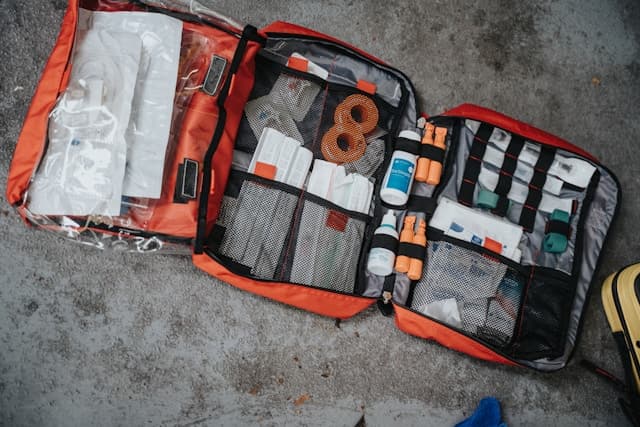
Every hike starts with hope, with the promise of clear trails, clean air, and peaceful times in nature. But anyone who has spent enough time outside knows one thing for sure: the mountains don't care how ready you think you are. They don't reward trust, they reward honor.
A sprained knee, becoming dehydrated all of a sudden, altitude sickness, a twisted ankle, or an unplanned storm can quickly turn a fun walk into a dangerous one. What you carry and how well you know how to use it can make all the difference when help is far away. This is when a well-thought-out first-aid kit and other reliable travel emergency supplies are more than just useful; they're lifelines.
At CoolTrails.com, we think that being ready for emergencies is an important hiking skill. This book tells you what safety gear for the trail, basic first aid for the outdoors, and survival gear for trekking you should bring, why each item is important, and how to use them properly in real life on the trail.
Why Emergency Preparedness is Non-negotiable on the Trail
In cities, accidents happen at bad times. They can be dangerous out in the wild.
When you go hiking:
- Help could be hours or days away.
- Phone connection might not work or be there at all.
- The weather and landscape can quickly make injuries worse.
Ignoring even small problems like headaches, blisters, and thirst can make them worse. Having the right trekking emergency gear with you can help you calm down quickly, avoid panic, and make better choices. Trekkers who are ready don't think anything bad will happen. They just acknowledge the idea.
Understanding Wilderness First Aid Basics
The basics of wilderness first aid are all about how to treat injuries and illnesses when you don't have many supplies or time to get to them. The goal isn't rapid treatment like in urban first aid; it's stabilization and prevention.
Some important rules are:
- Taking a calm look at the situation
- Stopping further harm or exposure
- Taking care of pain and infections
- Choosing when an escape is needed
Your gear helps you do these things, but how you think and how well you prepare are just as important.
Building a Reliable Hiking First Aid Kit
A well-made first-aid kit for camping should be small, light, and tailored to your trip. The important thing is to take the right things, not everything.
Wound Care Essentials
Most accidents that happen on the trail are cuts, scrapes, and abrasions.
Add these:
- Sticky patches in different sizes
- Pads of clean paper
- Wipes or a chemical that kill germs
- Stuff for wounds
These help clean wounds fast, keep dirt out, and stop infections while you move around.
Blister Prevention and Footcare
Trouble with the feet stops more hikes than serious accidents.
- What should be in your kit?
- Sticky pads or moleskin
- Tape that sticks
- Wipes that kill germs
If you treat hotspots early, you can avoid painful blisters that can slow you down.
Pain Relief and Medication
Pain makes it hard to move, think clearly, and feel good about yourself.
Pack:
- Simple medicines for pain
- Tablets that reduce inflammation
- Asthma medicines called antihistamines
- Always carry your medicines safely, and know how they affect your body.
- Gear for Support and Stabilization
On uneven ground, sprains and muscle pulls happen a lot.
Carry:
- Compression patch made of elastic
- Wrap that is light
These help keep your joints stable so you can move forward safely or back off if you need to.
Trekking Emergency Essentials: Beyond First Aid
While first aid is good for treating injuries, situations are more than that. Navigation, contact, shelter, and visibility are all parts of being truly prepared.
Trail Safety Gear that Can Save Lives
Having the right trail safety gear will make sure that you can be seen, heard, and safe in case of an emergency.
Emergency Whistle
A whistle goes farther and needs less power than a voice. It's one of the easiest and most useful ways to send a message.
Headlamp or flashlight
Weather, tiredness, or changes in the path can cause delays that are out of the blue.
A flashlight:
- Frees up your hands
- Helps you see better after dark
- Signals can be sent in low light
- Always have extra batteries with you.
- A knife or a multi-tool
- A small multi-tool can help with
- Taking off bandages
- Putting together broken gear
Food preparation
- This is useful safety gear for hiking; it's not an extra.
- Using navigation as a safety measure
- Getting lost is the first step in many situations.
Add these:
- A map of the trail
- A compass
- Knowing about sites on the route
Technology fails. Basic navigation tools help with outdoor first aid by stopping problems before they happen.
Emergency Shelter and Exposure Protection
Being outside in the cold, wind, or rain can make injuries worse very quickly.
Pack:
- A bivy or space blanket for emergencies
- Tarp that isn't too heavy (for longer hikes)
- These are very important for keeping you warm while you wait for help or during forced stops.
- Staying hydrated and getting emergency food
- Being dehydrated and tired make it hard to make decisions.
Carry:
- Tablets or drops that clean water
- Extra water container
- Sachets of electrolytes
- Energy-dense foods and drinks
- One of the most forgotten trekking emergency needs is water.
Survival Gear for Hiking in Wild Places
When hiking on longer or more remote trails, you'll need extra safety gear.
Think about adding:
- Tools for starting a fire
- Fix tape or cordage
- Extra layer of insulation
These things aren't for comfort; they're for staying alive and keeping things going.
Customising Your Emergency Kit
- Every trip is different.
- Make changes to your first aid kit for hiking based on:
- Time of the trek
- How hard the terrain is
- The weather
- Size of the group
- Medical needs for yourself
People who hike alone need more backups than people who hike with a group.
Common Mistakes Trekkers Make With Emergency Gear
Overpacking Without Knowing Why
It doesn't help to carry things that you don't know how to use. Try it out before you depend on it.
- Not giving Easy Trails enough credit
- A lot of injuries happen on roads that people are used to or think are "easy."
- Ignoring When Things Go Bad
- Over-the-counter medicines and products may not work when they're most needed.
- Check your outdoor safety gear often.
- Being mentally ready is the invisible safety tool
- Safety isn't guaranteed by gear alone.
- Being mentally ready means:
- Playing it safe
- Analyzing risks in a sensible way
- Making choices that are conservative
- Being ready gives you confidence, not being brave.
Emergency Response: What to Do If Something Goes Wrong
If something happens:
- Stop and think
- Use simple wilderness first aid to stabilize
- Keep from getting exposed
- Choose whether to go on, back off, or send a signal.
- Your hiking emergency gear helps you every step of the way.
- Sustainability and responsible planning for emergencies
- Trekkers who are ready make it easier for the environment and rescue workers.
At CoolTrails.com, we promote:
- lasting and reusing gear
- Putting away medical waste
- Keeping saves from being needless
- Being ready is an important part of hiking ethically.
Training: Turning Gear into Skill
The person who uses the gear is what makes it work.
We strongly advise you to:
- Basic training in first help
- Awareness of emergency action
- Example of a scenario
- Training gives you confidence that you can't get from tools.
- Slowly putting together your emergency plan
- You don' need everything at the same time.
Begin by:
- A simple first-aid kit for hiking
- Important safety gear for trails
- Grow as you gain more knowledge.
Conclusion
It doesn't limit your journey to carry first aid and other emergency gear; it makes it possible.
When you know the basics of wilderness first aid and bring a well-thought-out hiking first aid kit with effective trekking emergency essentials, trail safety gear, and survival gear for trekking, you feel more confident to explore safely.
Get ready wisely. Please trek safely. CoolTrails.com lets you explore with confidence.
You can read more safety tips and get hiking gear at CoolTrails.com.