
Overview
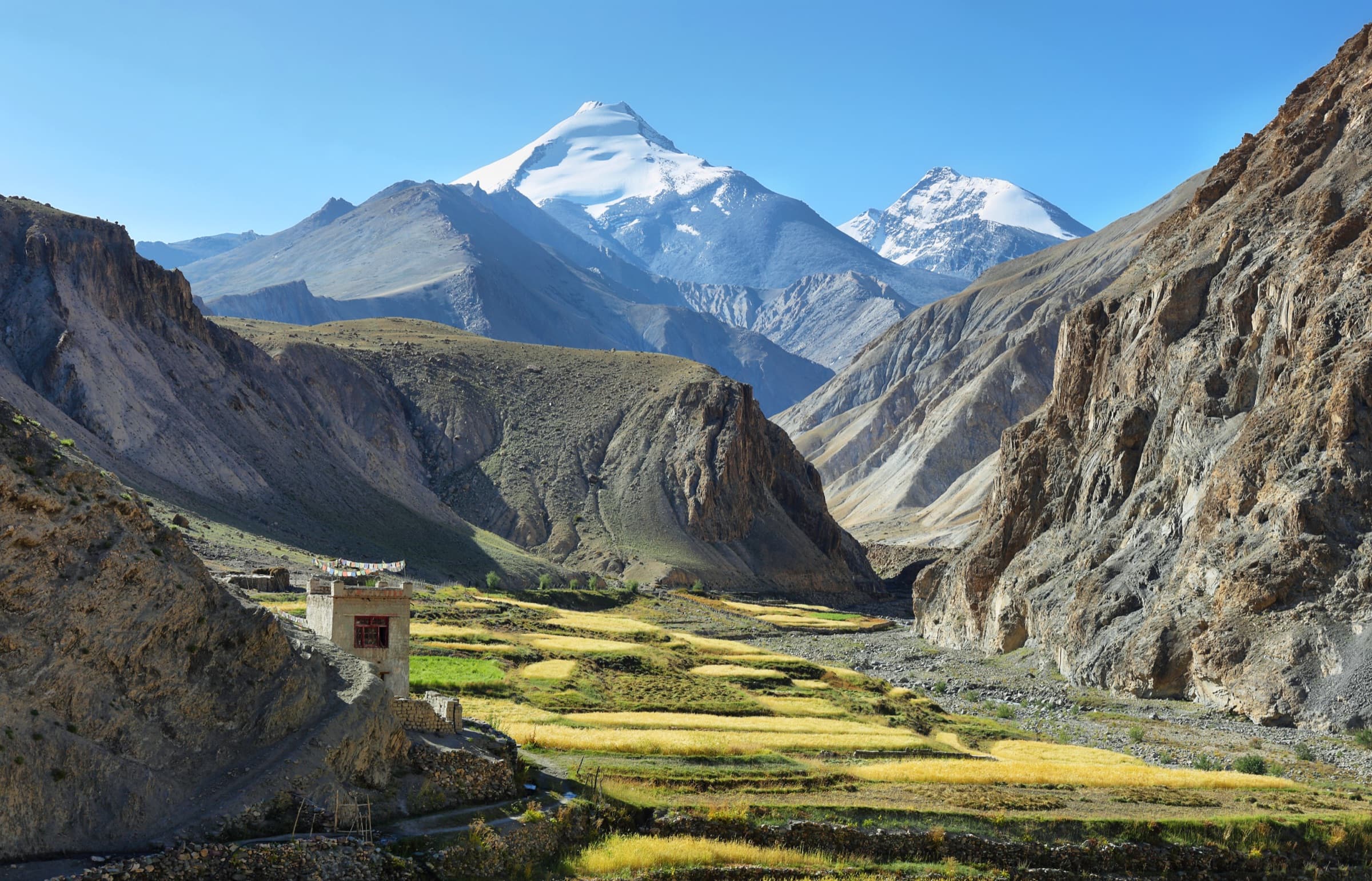
The Markha Valley in the Hemis National Park, Ladakh, is spellbinding – tucked away in Ladakh’s deep and dry canyon. While it is alluring by itself, the Markha valley trek is a notch further stunning by combining cultural treasures and deep-rooted untouched nature. Markha Valley is the most beautiful and the most challenging region that the Markha Valley trek can have to offer.
Crossing this trek entails undertaking an extensive range of activities and crossing over medium level obstacles such as deep and deserts, lush vibrant riverbanks, and waist-deep river crossings known to be thrilling.
Why You'll Love This Trek
Trail Highlights
- Cross Kongmaru La Pass
- Stay in Traditional Ladakhi Homestays
- Walk Beside the Markha River
- Watch Kang Yatse Throughout the Trek
- Experience Ladakh's Changing Landscapes
- Trek Through Hemis National Park
What Makes This Trek Special
The highlight of this trek is the Kongmaru La Pass, which intakes a hight of 17,060 feet - making it the highest point of the trek. It boasts jaw-dropping, unrivaled views of slopes decorated with dazzling rocky cliffs and the remarkably grand Kang Yatse Mountain, measuring 21,300 feet. The jaw-dropping views serve as a reward for the rivers, wildlife, blue sheep, marmots, and rare snow leopards.
Read MoreRead Less
The Markha Valley Trek is located inside Hemis National Park in Ladakh and is considered one of the region's classic trekking routes. Most trekkers begin from Chilling, follow the Markha River through villages such as Skiu, Markha, Hankar and Nimaling, before crossing Kongmaru La Pass and finishing at Shang Sumdo.
The trek covers around 65 to 75 kilometres over six days. Although it does not require technical climbing skills, the high altitude, long walking days, river crossings and steep climb to Kongmaru La make it physically demanding. Proper acclimatisation in Leh before starting the trek is strongly recommended.
One of the biggest highlights of the journey is the chance to experience Ladakhi village life. Unlike many Himalayan treks that rely mainly on camping, Markha Valley offers comfortable homestays where trekkers can enjoy local food and hospitality after each day's walk.
The scenery changes throughout the trek. You'll walk beside the Markha River, cross wooden bridges, pass barley fields, climb into alpine meadows and finally reach Kongmaru La Pass, where wide views of Kang Yatse, the Indus Valley and surrounding mountain ranges make the effort worthwhile.
Route Map
Trailhead Weather
7-day forecastLive conditions at the trailhead. Plan around the forecast — mountain weather shifts fast.
Itinerary 6 Days
Day 1Leh to Chilling to Skiu
Drive from Leh to Chilling before beginning the trek towards Skiu. Cross the Zanskar River, walk beside the Markha River and spend the night in a local homestay at Skiu.
Day 2Skiu to Markha
Follow the Markha River through barley fields, river crossings and small settlements before reaching Markha Village, the largest settlement in the valley.
Day 3Markha to Hankar
Walk deeper into the valley with Kang Yatse appearing ahead. Cross rivers, pass Umlung and reach the peaceful village of Hankar surrounded by barley fields.
Day 4Hankar to Nimaling
Climb gradually through alpine terrain towards Nimaling. The route passes Thochungtse, open meadows and an alpine pond before reaching one of the highest camps on the trek.
Day 5Nimaling to Kongmaru La Pass to Chokdo
Today is the most challenging day of the trek. Leave Nimaling early and begin the steep climb towards Kongmaru La Pass (17,060 ft), the highest point of the journey. From the top, enjoy wide views of Kang Yatse, the Indus Valley and the surrounding Ladakh ranges before starting the long descent through rocky terrain and narrow canyons. Pass Sukarmo on the way and continue to the village of Chokdo, where you'll stay overnight in a local homestay.
Day 6Chokdo to Shang Sumdo to Leh
The final day begins with an easy walk along the river towards Shang Sumdo, where the trekking trail ends. From here, drive back to Leh. If time allows, you can stop at Hemis Monastery on the return journey before reaching the city and completing the trek.
Best Time to Visit
Things to Carry
- Thermal base layers
- Quick-dry trekking T-shirts
- Fleece jacket
- Down or insulated jacket
- Waterproof and windproof shell jacket
- Trekking pants
- 40–50 L trekking backpack with rain cover
- 15–20 L daypack
- Waterproof trekking shoes with ankle support
- Trekking poles
- Sleeping bag (if required)
- Sleeping mat (for camping)
- UV-protection sunglasses
- Sunscreen and lip balm
- Water purification tablets or portable filter
- Personal medicines
- First-aid kit
Permits & Fees
Safety Tips
- Spend 2–3 days in Leh to acclimatise before beginning the trek.
- Stay hydrated and use purified drinking water.
- Start trekking early to avoid strong afternoon winds and higher river levels.
- Wear proper trekking shoes with good ankle support for rocky terrain.
- Use trekking poles during steep climbs and the descent from Kongmaru La.
- Watch for symptoms of altitude sickness such as headache, dizziness or nausea.
- Carry enough cash, as there are no ATMs along the trekking route.
- Mobile network coverage is extremely limited during the trek.
- Respect local customs while staying in Ladakhi villages and homestays.
- Carry back all non-biodegradable waste to help keep the valley clean.
Reviews
Write a ReviewNo reviews yet. Be the first to share your experience on this trek.